10 Neuroscience-Backed Habits to Restore Your Brain Health and Daily Focus
According to a recent Health Chosun feature, a neuroscientist outlines ten "brain health habits," and the very first one lands like a quiet, well-timed slap: an alarm clock instead of a cellphone.
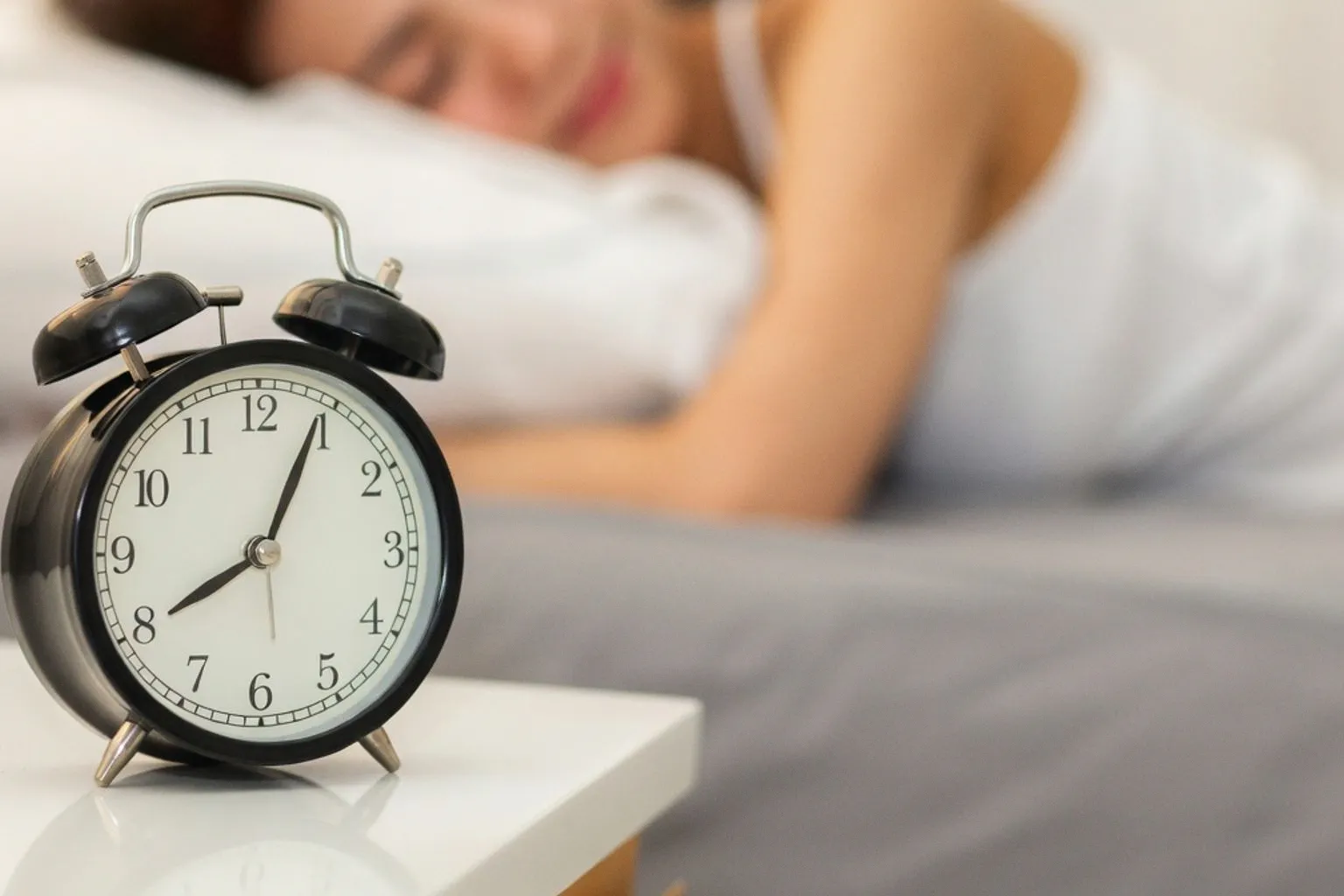
If your phone is the last thing you see before sleep and the first thing you reach for at 6 a.m., this is not a productivity tip. It is a nervous system intervention dressed up as a morning routine, and the audience for it is anyone whose nervous system has been running on fumes for longer than they want to admit.
The Phone-on-the-Nightstand Trap
You already know this one is about you. You keep the phone on the nightstand because it is also your alarm, your meditation timer, and your camera, and the idea of owning a separate device for waking up feels almost quaint, like something your parents would do. What you have actually built is a small dopamine doorway twelve inches from your skull, and the cost shows up in your sleep latency, your morning cortisol curve, and the particular flavor of dread you feel when you open your eyes already bracing for the day.
A quick reality check on what that doorway is doing overnight:
- Your brain treats the phone as a low-grade open task, even when it is face-down and silent.
- The pull to check it in the dark is a micro-cortisol event, repeated all night.
- Reclaiming the first ninety seconds of your waking day sets the tone for the entire stress baseline to follow.
An old-fashioned alarm does not make you a minimalist. It forces a buffer. You sit up, you orient, you choose, and the scroll never happens. That is bandwidth recovery, and it is one of the cheapest upgrades available to you right now, which is exactly why so many people refuse it.
The Step Study Worth Paying Attention To
A separate wearable-device study led by King's College London and UMass Amherst, tracking over 5,500 adolescents, found that increments in daily step count correlated with lower risks of anxiety, low mood, and behavioral issues. The detail that matters here is not the headline number. It is that the link held up under objective tracking rather than self-report, which is a much harder bar to clear in this field.
For adults navigating burnout, the takeaway is not "walk 10,000 steps or fail." It is that movement functions as a non-negotiable input for mood regulation, especially during seasons of high cognitive load, and the dose-response relationship in studies like this one keeps pointing in the same direction: the more you move, the more your nervous system remembers how to come back down. Daily walks, as the Health Chosun feature also suggests, are not a wellness aesthetic. They are a regulatory input.
A Question for Tonight
So here is what I want you to sit with before bed: if your phone is the first thing your hand reaches for in the morning and your couch is the last surface your back meets at night, which of those two habits is the easier swap, and which one are you actually avoiding?