Why Your Sedentary Routine Is Sabotaging Your Mental Health
ASICS is amplifying a message your chair has been teaching you for years: prolonged daily sedentary habits correlate with lower mental state scores, heightened stress, and disrupted sleep, according to a 31-country survey covering 34,000 respondents.
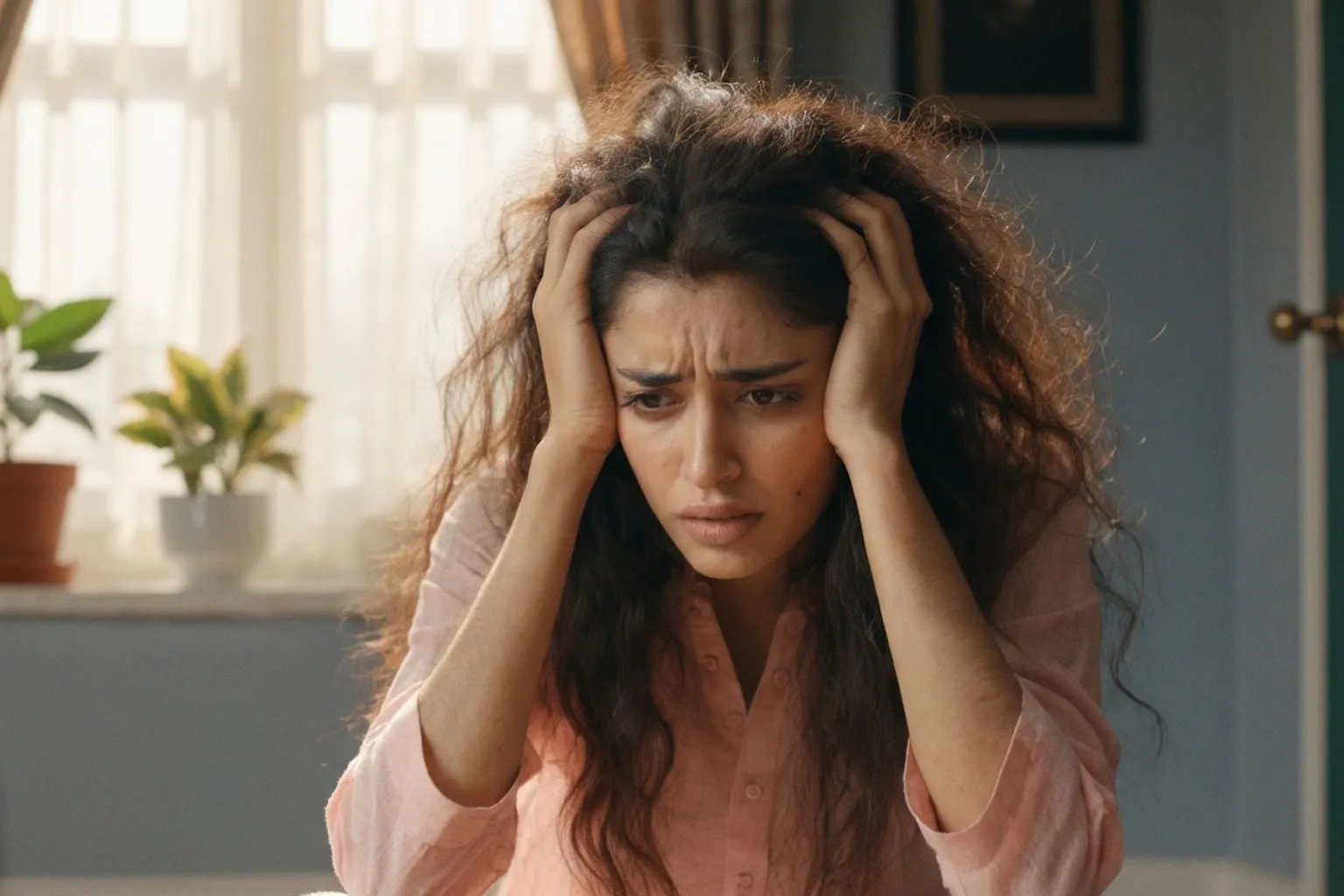
And right now, in this exact moment, you are doing exactly what the data is warning against. You have already decided that movement has to be earned, a full workout, a perfect routine, a 10,000-step badge, before it counts.
What the survey actually found
The numbers are blunt enough to cut through the usual wellness fog. Across 34,000 people, prolonged sedentary time lined up with worse mental state scores, elevated stress, and broken sleep architecture. Among inactive young adults, 92% reported adverse impacts, including increased stress, poor sleep quality, and low mood. Not "some risk of." Ninety-two percent.
The trap of over-functioning in stillness
Here is the distortion worth naming out loud. You are exhausted, your cognitive load is maxed, your bandwidth is thinned, and you have convinced yourself that the only acceptable movement is heroic. The survey is pointing at something else entirely. Prolonged sedentary habits are the problem. Forget the program. Interrupt the chair.
A quick reality check on what that interrupt actually does:
- Standing up between meetings changes your nervous system input, beyond posture.
- Walking after a stressful email reduces the cortisol spike that would otherwise ride you for hours.
- Evening movement at walking pace supports the sleep you are currently failing to protect.
If any of those feel too small to count, that is exactly the pattern the data is exposing.
Where this fits in the rest of your stress load
Movement is one node, and the other nodes are pulling in the same direction. Separate reporting on work stress names instability as a leading source of pressure on the job, which means even people who technically have time to move are often too drained to use it. And a separate line of research out of APC Microbiome Ireland found that both caffeinated and decaffeinated coffee modulate the gut microbiome in ways linked to lower perceived stress, depression, and impulsivity, meaning the small daily inputs, including what you drink, are quietly shaping your stress chemistry.
There is also a feedback loop worth seeing. Stress-related hair shedding, what clinicians call telogen effluvium, often shows up weeks or even months after the triggering event. According to Dr. Rinky Kapoor, Clinician Scientist and Research Mentor, increased hair fall becomes noticeable weeks or even a few months after the triggering event, which is why people may not always connect the two. The relationship between sleep and hair loss runs in both directions: disturbed sleep has been associated with different types of hair loss, and hair loss itself can create anxiety that further disrupts sleep. Modern life stacks the stressors: irregular sleep schedules, prolonged screen exposure, sedentary routines, restrictive diets, rapid weight changes, persistent psychological stress. The body keeps the receipt. Sleep, stress, and movement are the same line item.
So here is the question I want you to actually answer, not perform. If 92% of inactive young adults are already reporting the cost, and your chair time is not getting shorter, what is your body going to bill you for next? And what is one interruption you can put on the calendar before you close this tab?