Can a Simple Hair Clip Really Stop a Headache? Medical Experts Weigh In
Doctors cited by AOL suggest that pressure in this area may provide a competing sensation, drawing attention away from pain signals for some people.
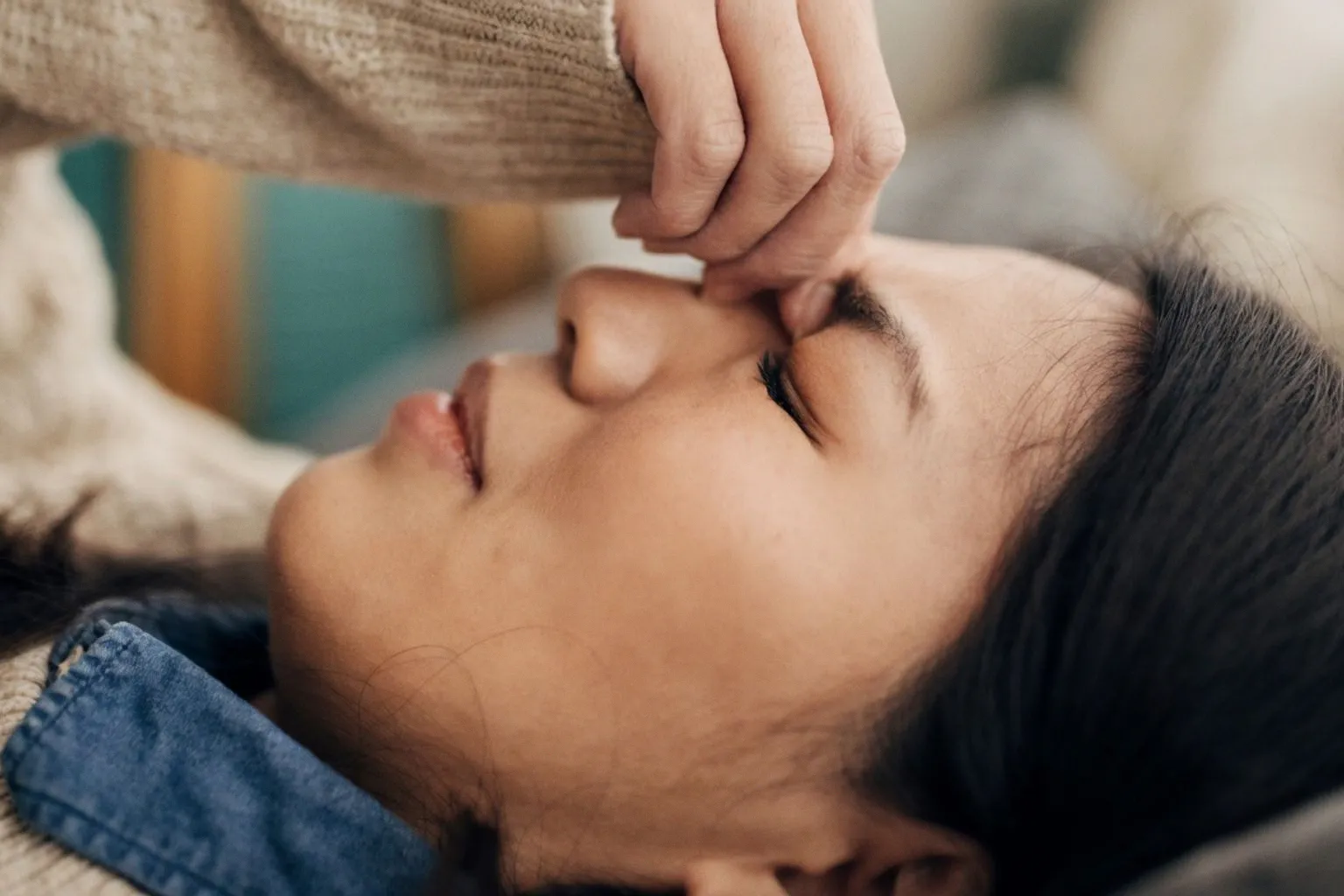
AOL.com reports that doctors see a possible sensory explanation for the viral hair-clip headache hack, but the available evidence does not establish it as a treatment. If you are tempted to try it because your usual approach has not helped, the key distinction is between a momentary distraction from pain and addressing the headache itself.
What the clip might be doing
The trend involves gently placing a claw clip over the eyebrow on the side where the pain is felt. Doctors cited by AOL suggest that pressure in this area may provide a competing sensation, drawing attention away from pain signals for some people. Prevention reports a similar explanation: pressure near the eyebrow may affect sensation carried by a branch of the trigeminal nerve.
That is a proposed mechanism, not proof that the hack works. Prevention says there are no studies on the technique, and the doctors it consulted cautioned that it does not address the complex causes of migraine. The article also notes that controlled electrical stimulation of the trigeminal nerve has been studied, but a hair clip is not a medical neuromodulation device.
Relief, if any, may be temporary
The sources describe the expected benefit as uncertain and potentially short-lived. AOL reports that doctors expect any relief to vary from person to person and says there are no studies showing how quickly it might work or how long it might last. One doctor also suggested it may be more likely to help when a headache is caught early, rather than during a full-blown migraine.
That matters when you are already carrying a high cognitive load: an easy hack can feel like a solution simply because it is simple. Keep the claim in proportion. Social media testimonials do not establish that the clip is more effective than medication, and a sensation that briefly distracts from pain is not the same as treating the underlying headache.
Keep the experiment in perspective
If you try the clip, the reporting supports only a narrow takeaway: some doctors think pressure may temporarily change how pain is perceived, but the technique is untested and may not help. Do not treat it as a proven replacement for the approaches you already rely on, and pay attention to whether it makes the discomfort worse.
The more useful question is not whether a viral trick works for everyone, because the evidence here cannot answer that. It is whether any relief you notice is reliable enough to matter, without leading you to mistake a temporary distraction for care.