IITs Propose Dedicated Mental Health Workforce to Strengthen Campus Support Systems
According to the Free Press Journal, Indian Institutes of Technology are considering a dedicated mental-health workforce, including counsellors, psychologists and psychiatrists.
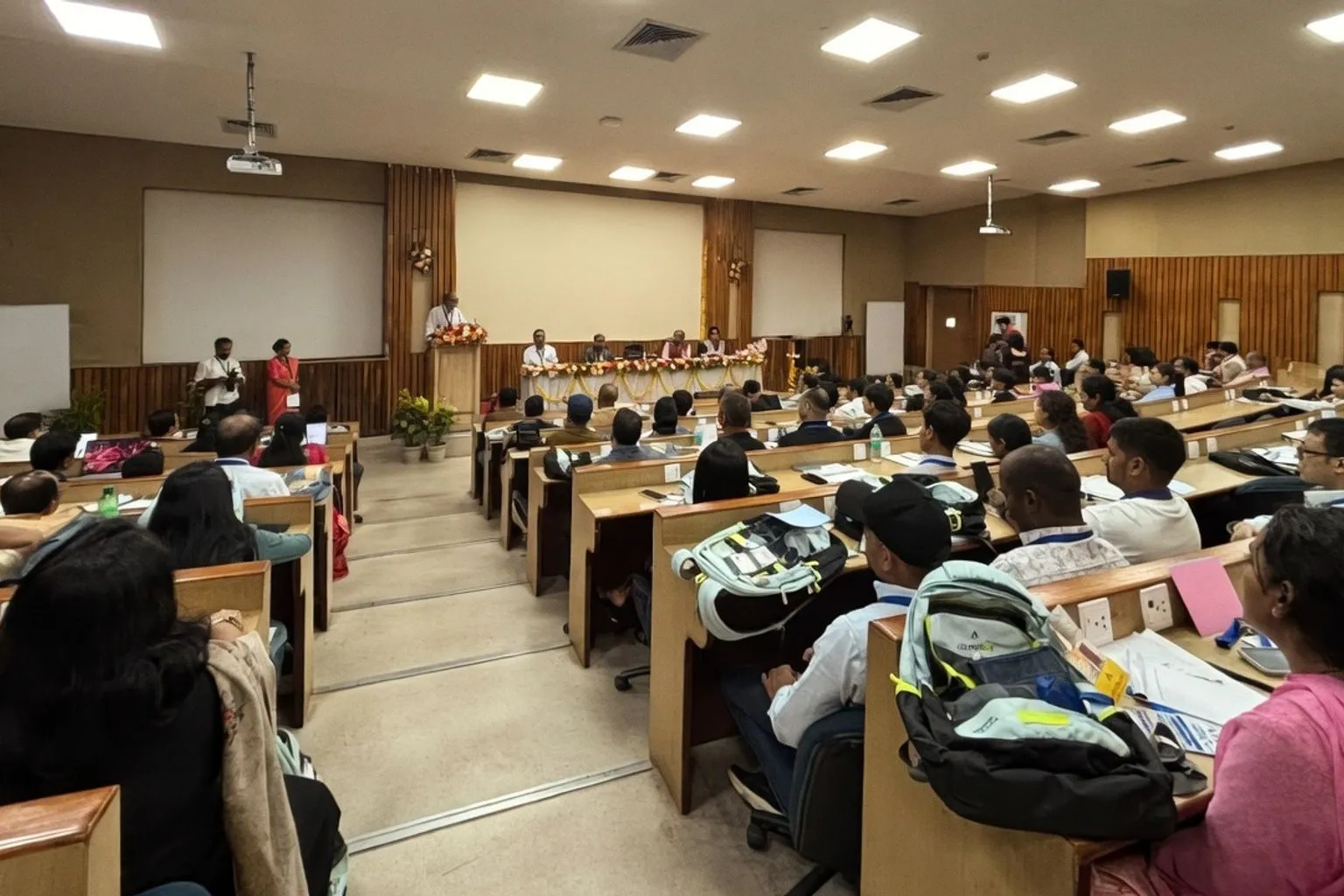
The proposal matters because campus counselling services already exist, yet IIT leaders say current provision is not enough for the size and needs of their communities. The practical question is whether a planned cadre can turn scattered support into stable, accessible care.
A staffing plan, not a new service promise
The report says the proposal has been under discussion for at least two years. IIT directors said it was not developed in response to recent student deaths, though those deaths and campus protests have renewed attention to student mental health.
The distinction matters. An announcement about a proposed structure is not evidence that more clinicians have been hired or that students can already access new services. The report says IIT Gandhinagar is working on a model for the institutions, with sanctioned posts for counsellors, psychologists and psychiatrists. The plan would also require designated funding; without approved positions and budgets, even contractual hiring may not be possible.
That is the unglamorous part of mental-health access. A counselling centre can exist on paper while capacity, continuity and specialist support remain limited.
What students and families should look for
The Ministry of Education had told Parliament that IITs and several other higher-education institutions have campus mental-health or counselling centres staffed by full-time or visiting professionals. The report also notes that some IITs use third-party apps. An app may reduce friction for an initial contact, but it is not interchangeable with an on-campus clinician, and the available information does not establish how these options compare in quality or outcomes.
For students assessing support, the useful details are operational: who provides care, whether appointments are available when needed, and how students can reach specialist help. The proposed cadre names three roles, but the report does not specify staffing numbers, hiring timelines, funding amounts or how services would work across campuses.
The test is implementation
According to the report, minutes from an IIT Council meeting say the planned structure would follow Rehabilitation Council of India guidelines and include promotion pathways and periodic quality assessment. Those are relevant safeguards, but they remain features of a structure being developed, not proof of a functioning system.
For a campus mental-health service, the verdict will depend less on the language of the proposal than on whether posts are funded, filled and accessible. Until those details emerge, the plan signals institutional intent, not a measurable change in care.