CISCE Launches Massive Mental Health Dialogue Program for 1.6 Million Students
Nearly 1.6 million students across India are about to become participants in one of the largest student mental health listening exercises ever assembled, and the framework behind it deserves a close…
Nearly 1.6 million students across India are about to become participants in one of the largest student mental health listening exercises ever assembled, and the framework behind it deserves a close read before anyone mistakes scale for efficacy.
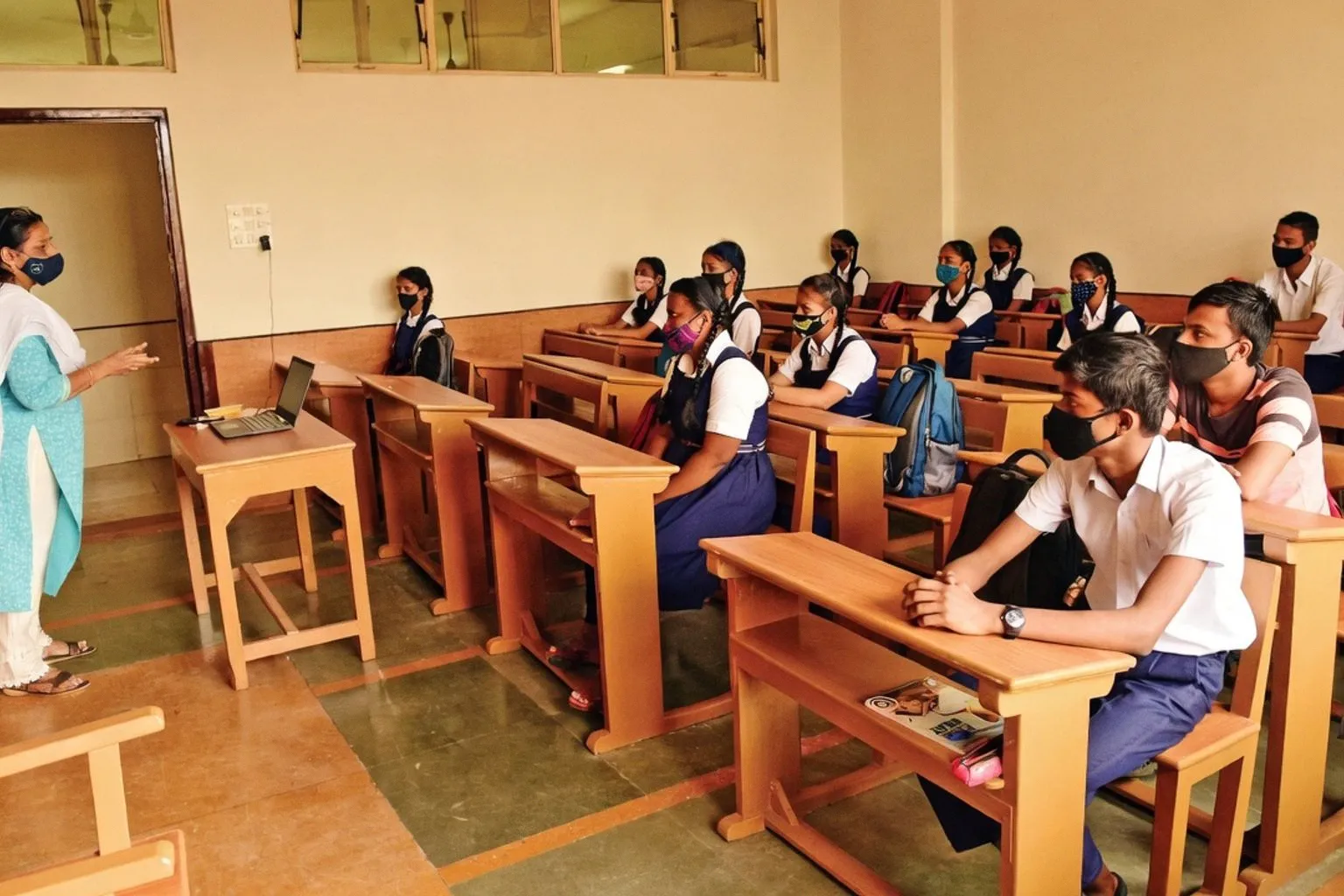
The Council for the Indian School Certificate Examinations (CISCE) is rolling out a tiered "Student Mental Health and Well-Being Initiative," timed to World Mental Health Day on October 10. The scope, per reporting by the Free Press Journal: roughly 1.6 million students and 32,000 teachers across CISCE-affiliated schools, organized into three escalating stages of dialogue that run from the classroom up to a national conclave in Hyderabad.
What's actually being built
The architecture is layered rather than clinical. From October 4 to 31, students in classes 6 through 12 will take part in weekly, structured classroom discussions built around four fixed themes: student stress and academic pressures; emotional well-being, digital life and positive relationships; drugs, substance abuse and healthy choices; and building resilience and help-seeking behavior.
Those themes then feed upward. Regional virtual conclaves across 18 zones run from November 4 to 14, and the program culminates in the CISCE National Student Mental Health Conclave in Hyderabad, November 20 to 22, bringing together 72 student representatives and 18 teacher mentors alongside mental health experts, policy figures and CISCE leadership.
"Student well-being cannot be addressed through isolated interventions or occasional conversations," said Joseph Emmanuel, Chief Executive and Secretary of CISCE. "We need to create a culture in which students are heard, their experiences are understood, and their voices shape how schools think about mental health, resilience, and support."
Where the friction shows up
For a mental health audience, the framing matters. This is fundamentally a listening and aggregation exercise, not a clinical intervention. The themes explicitly name stress, digital life and substance use, yet the operational mechanism is structured dialogue and student representation, not screening, referral or care. That distinction is the part families, educators and clinicians should weigh.
Anyone tracking school-based mental health programs will recognize the pattern: large awareness drives with measurable participation metrics, paired with comparatively thin language about what happens after a student signals distress. The initiative does include "help-seeking behavior" as one of four pillars, which is the right thing to flag. The open question is whether the downstream pathway, the counselor, the referral, the follow-up, gets the same calendar real estate as the dialogue itself.
CISCE leadership has been explicit that the test of the program is not how many conversations occur. As Emmanuel put it, the measure is what those conversations "enable us to understand and change."
What to watch
Three signals will tell readers whether this is more than a well-attended town hall. First, whether the four classroom themes produce any structured output beyond reports, meaning identifiable changes to school practice rather than another set of proceedings. Second, whether the national conclave recommendations include concrete referral pathways, not just awareness messaging. Third, whether the 32,000 teachers involved receive anything beyond facilitation guidance, since teacher capacity is consistently the limiting factor in school mental health work.
For now, CISCE has built a sizable scaffold. The clinical validity of that scaffold, and the gap between hearing students and actually treating them, remains the part the program has yet to earn.