Can Sauna Sessions Improve Mental Health? New Research Explores Heat Therapy
As WGCU reports, a randomized controlled trial from cognitive neuroscientists at Oslo Metropolitan University is testing whether structured sauna exposure, paired with simple mental health habits…
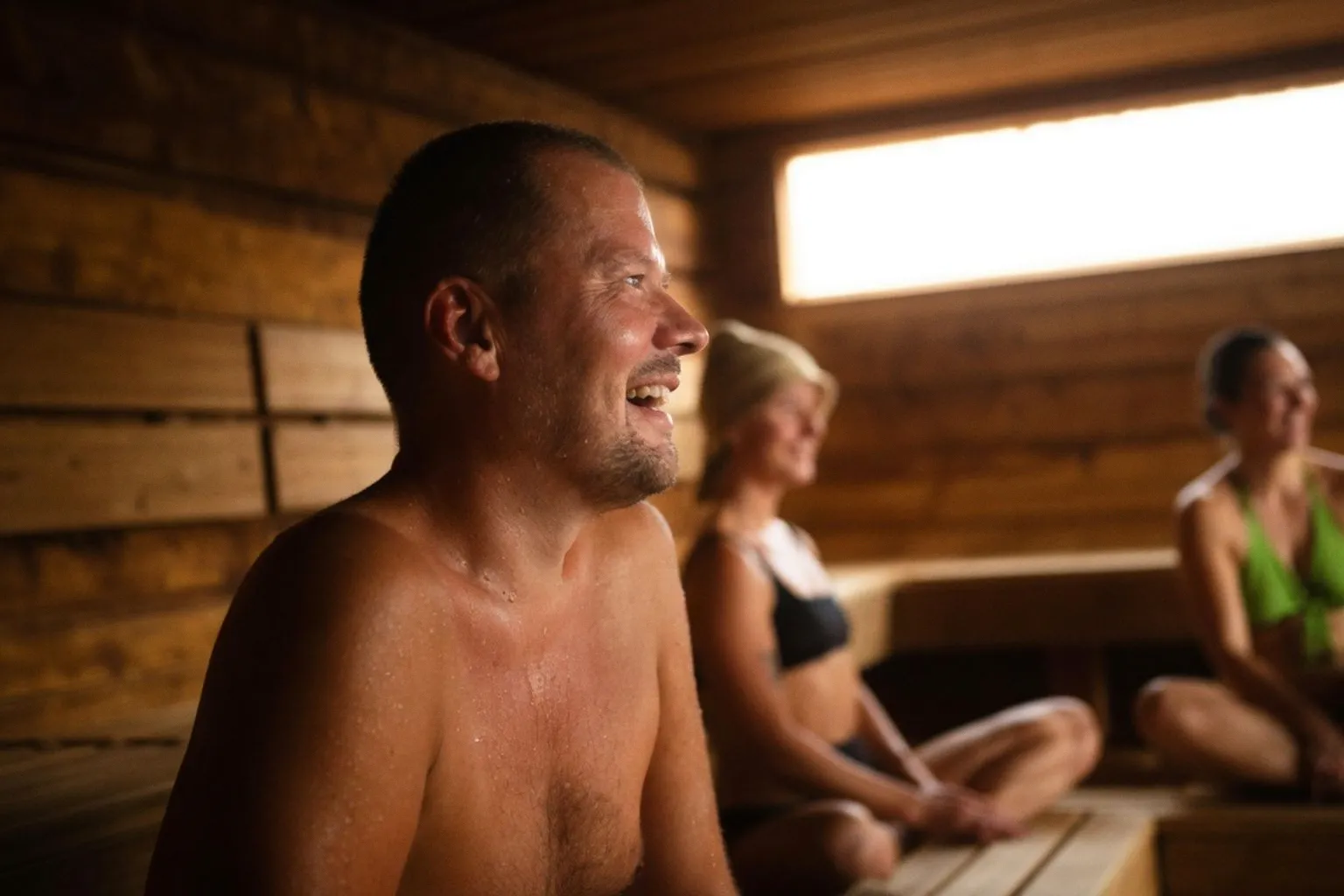
As WGCU reports, a randomized controlled trial from cognitive neuroscientists at Oslo Metropolitan University is testing whether structured sauna exposure, paired with simple mental health habits, can measurably shift stress and sleep outcomes. The 50-person study is being run out of floating sauna villages in Oslo's inner harbor, where participants attend two sessions per week instead of a traditional research lab.
The heat-to-mood pathway
When skin receptors register heat, the signal travels to a primitive brain region that initiates cooling. That thermoregulatory cascade overlaps with neural circuits involved in mood and pleasure, the same pathways implicated in depression. Heat also triggers a specific anti-inflammatory response, similar to what happens during sustained exercise, an intervention with established effects on mood regulation. Separately, animal work shows heat can activate a group of serotonin neurons tied to stress resilience and antidepressant effects. Christopher Lowry, an integrative physiologist at the University of Colorado Boulder, frames heat as a "powerful physiological stimulus for promoting mental health."
Why the sleep question matters
From a sleep architecture standpoint, the post-sauna state is a shift toward parasympathetic dominance, a measurable down-regulation of the autonomic baseline. For people whose insomnia is driven by a hyperaroused nervous system, that autonomic shift could plausibly support sleep onset. The catch is the evidence base. Most of what we know comes from animal models and small human studies without strict control groups, which is the gap Eva Hilland's trial is designed to close.
What to watch
The study is funded by a local Oslo municipality and uses a randomized design, making it one of the more rigorous tests so far. For anyone considering sauna as a stress or sleep tool, the protocol Hilland is testing offers a concrete starting point: two sessions per week, a defined set of mental health habits layered on top, and objective outcome measures. What makes it worth following is the structure, not the trend.